How to Eat Healthy on $25 a Week: Science-Backed Strategies for Real-Life Budgets
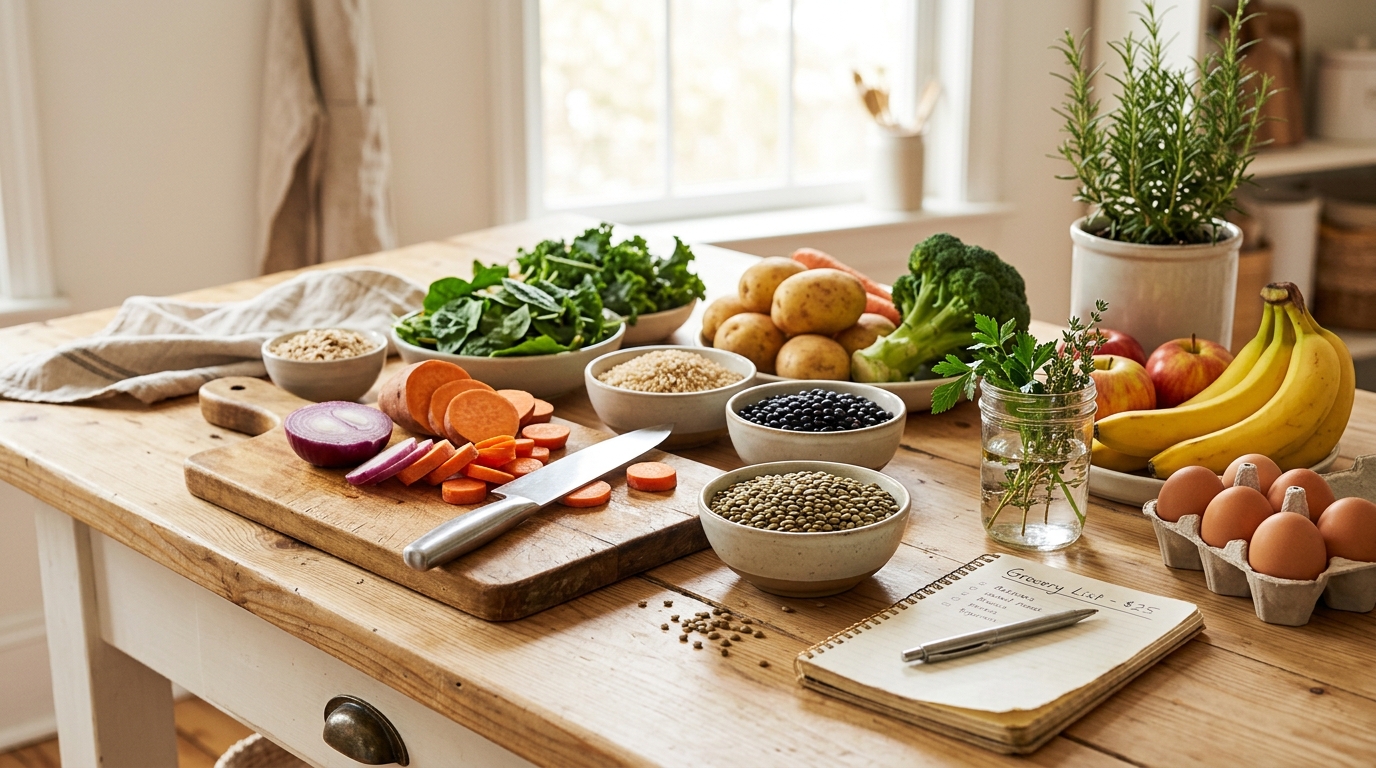
Eating well on just $25 a week is challenging, but not impossible. By understanding basic nutrition, choosing high-value foods, and planning strategically, you can cover your core nutrient needs without relying on ultra-processed junk. This guide breaks down practical, science-based ways to stretch a tiny food budget while still supporting your health.
## Why $25 a Week Is Hard — But Not Hopeless
Living on about $3.50 a day for food is below what most nutrition experts would consider ideal, but in reality many people face this constraint. The goal at this level is **nutritional damage control**: making the most nourishing choices possible within very tight limits.
On a very low budget, priorities shift from eating "perfectly" to:
- Covering **basic energy needs** (enough calories to function)
- Getting **core nutrients** (protein, fiber, vitamins, minerals, healthy fats)
- Minimizing **ultra-processed foods** that are high in sugar, sodium, and unhealthy fats
- Reducing food waste through smart planning and storage
You likely won’t eat optimally every day, but you can avoid the worst nutritional pitfalls and support your health as much as possible.
---
## Step 1: Know Your Core Nutrient Priorities
When money is tight, you need to be very intentional. Think of your food budget like a nutritional checklist, not just a shopping list.
### 1. Sufficient Calories (Energy)
If you consistently undereat, your body:
- Breaks down muscle for energy
- Slows metabolism
- Increases fatigue and irritability
On $25 a week, you’ll likely need **calorie-dense but nutrient-conscious** foods. That usually means:
- Staple carbohydrate sources (e.g., grains, starchy vegetables)
- Some added fats in moderation (for energy and fat-soluble vitamins)
### 2. Protein for Muscle, Immunity, and Satiety
Protein is often the hardest nutrient to get enough of on a tight budget, but it’s critical for:
- Maintaining muscle mass
- Supporting immune function
- Keeping you full between meals
Aim for **a source of protein at each meal**, even if it’s a modest amount. Over a week, try to include:
- Plant-based proteins (often cheaper per gram of protein than many animal products)
- Occasional budget-friendly animal proteins if affordable in your area
### 3. Fiber for Digestion, Blood Sugar, and Fullness
Fiber helps:
- Stabilize blood sugar
- Support gut health
- Keep you full on fewer calories
Low-fiber diets, common with cheap ultra-processed foods, are linked to higher risk of chronic disease. To keep fiber up on a budget, emphasize:
- Whole grains instead of refined grains where possible
- Beans, peas, and lentils
- Affordable fruits and vegetables, fresh or frozen
### 4. Micronutrients (Vitamins and Minerals)
On $25 a week, you won’t have a perfect micronutrient profile, but you can cover many bases by:
- Including **some color** (greens, orange vegetables, or fruits) most days
- Choosing **fortified foods** (like some grains or plant milks) when they’re similarly priced
- Rotating produce based on what’s cheapest that week
---
## Step 2: Choose High-Value Food Categories
Think in **categories**, not specific products. Within each category, choose the most affordable option available to you.
### 1. Staple Grains and Starches
Why they matter:
- Provide the bulk of your calories
- Offer fiber, B vitamins, and some minerals (especially in whole or minimally processed forms)
Look for:
- Whole or minimally processed grains when they are similarly priced to refined options
- Store brands and bulk sections
How to use them strategically:
- Base most meals around a grain or starch to ensure you’re getting enough energy
- Pair with protein and vegetables to improve nutrient balance
### 2. Budget-Friendly Proteins
Protein sources vary widely in cost and quality. On a tight budget, **plant-based proteins** are often the most economical.
Benefits of plant-based proteins:
- High in fiber and complex carbs
- Provide iron, magnesium, and other minerals
- Often cheaper per serving than animal protein
If you include animal products, focus on:
- Less processed options (usually cheaper and healthier)
- Items with a long shelf life or that can be portioned and frozen
### 3. Fruits and Vegetables on a Budget
Produce is essential for vitamins, minerals, and antioxidants, but can feel expensive. To make it work:
- Prioritize **frozen vegetables and fruits** when they’re cheaper: they’re often just as nutritious as fresh
- Choose **in-season fresh produce**; prices drop when supply is high
- Focus on **versatile items** that can be eaten raw or cooked
Nutrient highlights:
- Dark leafy greens: folate, vitamin K, vitamin A, some calcium
- Orange vegetables and fruits: beta-carotene (vitamin A), vitamin C
- Cruciferous vegetables (like cabbage): fiber, vitamin C, beneficial plant compounds
### 4. Healthy Fats in Small, Strategic Amounts
You don’t need a lot of fat, but you do need **some** for:
- Absorbing vitamins A, D, E, and K
- Hormone production
- Satiety and brain function
On a very tight budget, you’ll likely rely on:
- Small amounts of added oils or naturally fatty foods
Focus on:
- Using fat **sparingly but purposefully** to make meals more filling and satisfying
---
## Step 3: Plan Around a Few Core Meal Patterns
With limited money, variety comes from **recombining the same basic components** rather than buying many different foods.
Think in **meal patterns**, not recipes. For example:
1. **Grain + Bean/Lentil + Vegetable**
- Balanced in carbs, protein, and fiber
- Very low cost per serving
2. **Egg or Plant Protein + Grain/Toast + Vegetable/Fruit**
- Works for breakfast, lunch, or dinner
- Flexible and quick
3. **Hearty Grain/Bean-Based Soups or Stews** (conceptually, not the recipe)
- Hydrating and filling
- Easy to stretch into multiple meals
4. **Mixed Grain Bowls or Skillet Meals**
- Use whatever vegetables and proteins you have
- Good way to use leftovers and reduce waste
By repeating a few patterns with small variations (different grains, different vegetables, different seasonings), you:
- Simplify planning
- Avoid decision fatigue
- Reduce the chance of impulse purchases
---
## Step 4: Smart Shopping Strategies for $25 a Week
### 1. Always Start With a Weekly Plan
Before shopping, decide:
- How many meals you need to cover at home
- Which meal patterns you’ll rely on most
- Which foods you already have that can be used
Write down a simple outline like:
- 3–4 grain-based meals
- 3–4 bean/lentil-based meals
- 2–3 egg or other protein-based meals
- Daily simple breakfasts and snacks
### 2. Compare Unit Prices, Not Just Shelf Prices
Unit price (price per ounce, pound, or liter) helps you identify the **true best value**. Often:
- Larger packages have lower unit prices, but only buy them if you can store and use them
- Bulk bins can be cheaper for grains, beans, and spices
### 3. Prioritize Store Brands and Sales
- Store-brand staples are often nutritionally comparable to name brands at a lower cost
- Check weekly flyers or apps for discounts on:
- Frozen vegetables
- Eggs or other proteins
- Whole grains
### 4. Avoid the Most Expensive Processed Foods
Convenience foods like single-serve snacks, sugary drinks, and ready-made meals usually:
- Cost more per serving
- Provide fewer nutrients
- Are high in sodium, sugar, and unhealthy fats
Reserve a small amount of your budget for **one or two low-cost comfort items** if you can; this can prevent burnout and reduce the temptation to overspend later.
---
## Step 5: Nutrition-Smart Habits That Stretch Your Food
### 1. Use Leftovers Intentionally
Leftovers are **pre-prepped ingredients**, not just repeat meals. You can:
- Combine leftover grains with beans and vegetables into a new bowl-style meal
- Add leftover vegetables to eggs or grain-based dishes
This reduces waste and ensures you’re getting the full nutritional value of everything you buy.
### 2. Build Volume With Low-Cost, High-Fiber Foods
To feel full on a small budget, lean on foods that provide **bulk and fiber**:
- Whole grains
- Beans and lentils
- Vegetables (fresh or frozen)
Fiber slows digestion, stabilizes blood sugar, and helps you stay satisfied longer.
### 3. Hydrate Strategically
Mild dehydration can feel like hunger. To support both health and budget:
- Drink water throughout the day instead of buying sugary drinks
- Use herbal tea or plain hot water with a splash of citrus (when affordable) for warmth and variety
### 4. Be Sodium-Aware Without Being Perfectionistic
Some budget foods are higher in sodium. Excess sodium can contribute to high blood pressure, but when choices are limited:
- Focus on the **overall pattern** rather than obsessing over each item
- When possible, balance higher-sodium foods with:
- Plenty of water
- Potassium-rich foods (like certain fruits and vegetables) when affordable
---
## Step 6: Mental Health and Sustainability on a Tight Food Budget
Food insecurity is stressful and can affect both mental and physical health. A few mindset and lifestyle strategies can help:
### 1. Aim for “Good Enough,” Not Perfect
Nutrition science supports the idea that **overall patterns over time** matter more than individual days. On $25 a week, you’re playing a long game of doing the best you can with what you have.
- Some days may be less balanced; that’s okay
- Try to include **some protein and some plant foods** daily, even in small amounts
### 2. Use Community Resources Without Shame
If $25 a week isn’t enough to meet your basic needs, that’s not a personal failure. Consider:
- Community food pantries or food banks
- Discount produce programs or community fridges
- Local organizations that offer nutrition assistance or vouchers
These resources can help you add more fruits, vegetables, and proteins, improving your nutrient intake significantly.
### 3. Protect Your Energy
Chronic stress and lack of sleep can increase cravings for high-sugar, high-fat foods. To the extent possible:
- Maintain a regular sleep schedule
- Use simple, low-effort meal patterns so food doesn’t become another major stressor
---
## Practical, Health-Focused Takeaways
On $25 a week, you’re working with severe constraints, but you can still make choices that support your health:
- **Center your meals** around affordable staples: grains, beans/lentils, and a few budget-friendly proteins
- **Include plants daily**, even if it’s mostly frozen or the same few vegetables and fruits
- **Think in meal patterns**, not elaborate recipes
- **Use fiber and protein** to stay full and stabilize energy
- **Minimize ultra-processed foods**, saving them for occasional low-cost treats
- **Leverage community resources** if available and needed
While this level of budgeting is not ideal for long-term nutritional adequacy, these strategies can help you stay as nourished as possible until your circumstances improve. Every small, thoughtful choice you make with your limited dollars is an investment in your current and future health.
#budget eating#healthy eating#nutrition basics#meal planning#food insecurity