The 5 Essential Rules of Smart Meal Planning for Better Health
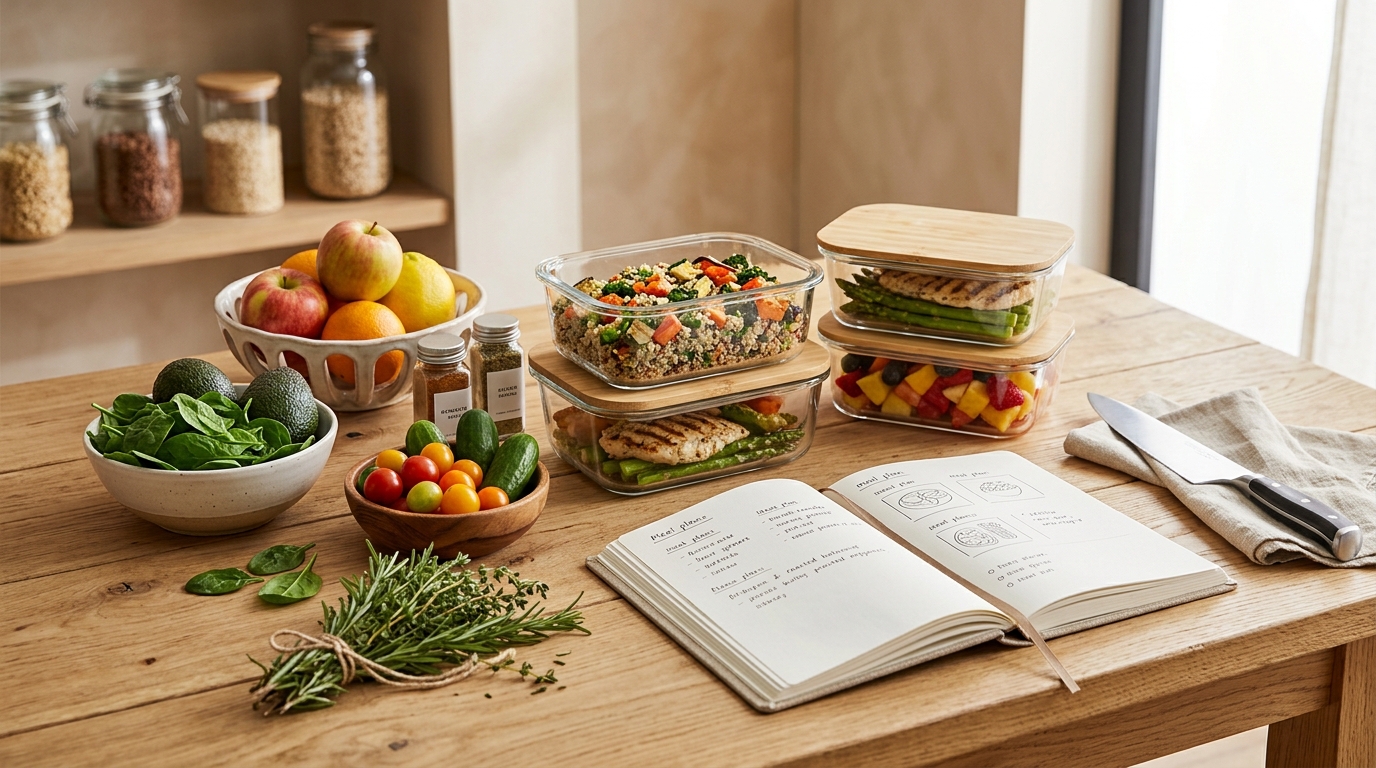
Effective meal planning isn’t about perfection or rigid dieting—it’s about creating a simple, repeatable system that supports your health, energy, and lifestyle. Discover the five core rules of meal planning that help you eat more balanced meals, reduce stress, and stay consistent with your nutrition goals.
## Introduction
Meal planning is one of the most practical tools for improving your nutrition, managing your energy, and reducing daily stress around food. Instead of asking, “What am I going to eat?” at the last minute, a good plan gives you structure and flexibility at the same time.
While there are many strategies, most effective approaches share five core rules. These rules help ensure your meals are balanced, realistic, and aligned with your health goals—without requiring you to follow a strict diet or spend hours in the kitchen.
Below are the five essential rules in planning meals, plus the nutrition science and practical tips behind each one.
---
## Rule 1: Prioritize Balance – Build Meals Around the “Big 4”
A well-planned meal typically includes four key components:
1. **Protein**
2. **High-fiber carbohydrates**
3. **Healthy fats**
4. **Colorful vegetables and/or fruits**
This combination supports steady energy, satiety, and overall nutrient intake.
### Why balance matters
- **Protein** helps maintain muscle mass, supports immune function, and improves satiety. Research suggests that including protein at each meal can help regulate appetite and support healthy weight management.
- **High-fiber carbohydrates** (like whole grains, beans, and starchy vegetables) provide sustained energy and support digestive health. Fiber also helps regulate blood sugar.
- **Healthy fats** (from foods like nuts, seeds, avocado, and certain oils) aid in absorption of fat-soluble vitamins (A, D, E, K) and support brain and hormone health.
- **Colorful produce** adds vitamins, minerals, fiber, and antioxidants that protect cells from damage and support long-term health.
### Practical ways to apply this rule
- When planning any meal, ask: *Where is my protein? Where is my fiber? Where is my healthy fat? Where is my color?*
- Aim for at least **2–3 colors** of vegetables or fruits across the day, if not per meal.
- Include a **source of protein at every meal**, not just at dinner.
Balanced meal ideas (concepts only):
- A bowl that combines a protein source, a whole grain, a mix of vegetables, and a small portion of healthy fat.
- A salad that includes a protein, a fiber-rich carbohydrate (like beans or whole grains), colorful vegetables, and a healthy-fat-based dressing.
---
## Rule 2: Plan for Your Real Life, Not Your Ideal Life
The best meal plan is the one you can actually follow. Overly ambitious plans often lead to frustration and food waste.
### Consider your weekly reality
When planning, look at:
- **Schedule:** Busy days may call for simpler, faster options or ready-to-eat items.
- **Energy levels:** If you’re usually tired in the evening, plan more prep earlier in the week or choose meals that require minimal effort at the end of the day.
- **Social plans:** Factor in meals out, gatherings, or travel so you don’t overbuy groceries.
- **Cooking interest:** If you don’t enjoy cooking, plan more no-cook or low-effort meal ideas (like simple bowls, snack-style plates, or pre-prepped supermarket options).
### Why this matters for health
- **Consistency beats perfection.** Long-term health benefits come from patterns you can maintain, not short bursts of strict eating.
- **Reducing decision fatigue** helps you make better choices. When you’re tired or stressed, you’re more likely to default to convenient but less nutritious options if you don’t have a plan.
### Practical tips
- Start by planning **just 2–3 meals** for the week and repeat them; you don’t need a unique meal every day.
- Use a simple template, like:
- One grain-based bowl meal
- One salad-based meal
- One hearty soup or stew-style meal
- Identify your **"emergency meals"**—simple options you can assemble quickly from pantry, freezer, or ready-to-eat foods for days that don’t go as planned.
---
## Rule 3: Make Nutrient Density the Priority
Nutrient-dense foods provide more vitamins, minerals, fiber, and beneficial compounds relative to their calorie content. When planning meals, prioritize foods that give you the most nutrition per bite.
### Nutrient density basics
Nutrient-dense choices typically include:
- **Vegetables and fruits**, especially deeply colored ones (dark leafy greens, berries, orange vegetables, etc.)
- **Whole grains** instead of refined grains
- **Legumes** (beans, lentils, peas)
- **Lean and minimally processed protein sources**
- **Nuts and seeds**
Less nutrient-dense options tend to be heavily refined, high in added sugars, or high in unhealthy fats, while offering fewer beneficial nutrients.
### Why this matters
- Supports **immune function, energy, mood, and cognitive performance**.
- Helps reduce the risk of chronic diseases such as heart disease, type 2 diabetes, and certain cancers.
- Makes it easier to feel satisfied on fewer calories because the body is getting what it needs.
### Practical ways to plan for nutrient density
- When choosing between two options, ask: *Which one gives me more fiber, vitamins, or minerals?*
- Plan at least **half your plate as vegetables** at main meals when possible.
- Include at least **one plant-based protein source** (like beans or lentils) in your weekly plan to boost fiber and micronutrients.
- Think of treats and highly processed foods as **additions**, not the base of your meals.
---
## Rule 4: Build in Blood Sugar and Energy Stability
Stable blood sugar throughout the day helps maintain energy, concentration, and mood. Spikes and crashes can lead to fatigue, irritability, and intense cravings.
### Key principles for stable energy
- Combine **protein + fiber + healthy fat** at meals and snacks.
- Avoid relying on **refined carbohydrates alone** (such as sugary drinks or pastries) as a main component of your meal.
- Space meals in a way that works for your body—many people feel best eating every **3–4 hours**, but this can vary.
### The science in simple terms
- Meals rich in refined carbohydrates and low in protein/fiber are digested quickly, causing a rapid rise in blood sugar, followed by a sharp drop.
- Adding protein, fiber, and fat slows digestion, leading to a **more gradual rise and fall** in blood sugar.
- Over time, consistently high spikes in blood sugar can contribute to **insulin resistance** and increased risk of metabolic conditions.
### Practical planning tips
- When planning breakfast, avoid making it **all sugar or all starch**. Include a protein source and some fiber.
- For snacks, think **"mini balanced meals"** rather than just a single carb-heavy item.
- If you know you have a long gap between meals, plan a **substantial, balanced snack** rather than relying on caffeine or sugar for energy.
---
## Rule 5: Plan for Variety and Enjoyment
Healthy eating is not just about nutrients—it’s also about satisfaction, culture, and enjoyment. A sustainable meal plan should feel enjoyable, not restrictive.
### Why variety and enjoyment matter
- **Variety** increases the range of nutrients you consume. Different foods provide different vitamins, minerals, and phytochemicals.
- Enjoyable meals are **easier to stick with** long term and reduce the urge to overeat highly processed foods later.
- Including familiar and culturally meaningful foods supports **emotional well-being** and a positive relationship with food.
### How to build variety into your plan
- Rotate your **protein sources**: for example, include poultry, fish, legumes, eggs, and plant-based proteins across the week if they fit your dietary pattern.
- Vary your **grains and starches**: mix in options like oats, brown rice, quinoa, potatoes, or other whole-food starches.
- Explore different **vegetable and fruit colors** across the week: greens, reds, oranges, purples, and whites all offer different beneficial compounds.
### Supporting enjoyment without losing balance
- Intentionally include **foods you love** in your plan—this might mean pairing a favorite comfort food with extra vegetables or a good protein source.
- Use herbs, spices, and flavorings to make meals more satisfying; this can help you enjoy nutrient-dense foods more.
- Practice **flexibility**: if you eat out or have an unplanned meal, simply return to your usual pattern at the next meal rather than “starting over” another day.
---
## Putting It All Together: A Simple Weekly Planning Framework
You don’t need a complicated system to apply these five rules. A straightforward approach might look like this:
1. **Look at your week.** Identify busy days, social events, and days with more time.
2. **Choose 2–4 meal ideas** that follow the balance rule (protein + fiber-rich carbs + healthy fats + color).
3. **Check for nutrient density.** Ask: Do these meals rely mostly on whole, minimally processed foods? Do they include vegetables or fruits?
4. **Plan for energy stability.** Ensure you have balanced options for breakfast, lunch, dinner, and any snacks you typically need.
5. **Add variety and enjoyment.** Rotate ingredients, include some favorites, and make room for cultural or comfort foods.
You can repeat meals, mix and match components, and keep a short list of “go-to” meal ideas that meet these criteria. Over time, this becomes a habit rather than a chore.
---
## Action Steps to Start This Week
- **Pick one rule to focus on first.** For many people, starting with Rule 1 (balanced meals) or Rule 2 (planning for your real life) creates the fastest improvement.
- **Do a 10-minute weekly check-in.** Look at your calendar, jot down a few meal ideas that fit your schedule, and make a quick list of what you need.
- **Evaluate how you feel.** Notice your energy, hunger, and mood when you follow your plan versus when you don’t. Use that feedback to adjust.
Meal planning doesn’t have to be rigid or complicated. By following these five rules—prioritizing balance, planning realistically, focusing on nutrient density, supporting blood sugar stability, and building in variety and enjoyment—you create a flexible system that supports your health, your lifestyle, and your long-term well-being.
#meal planning#healthy eating#nutrition tips#balanced diet#wellness